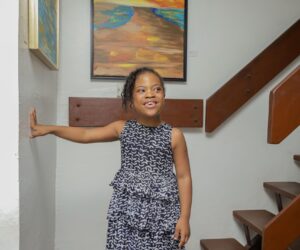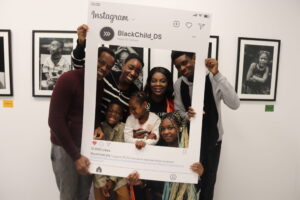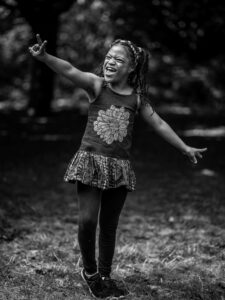
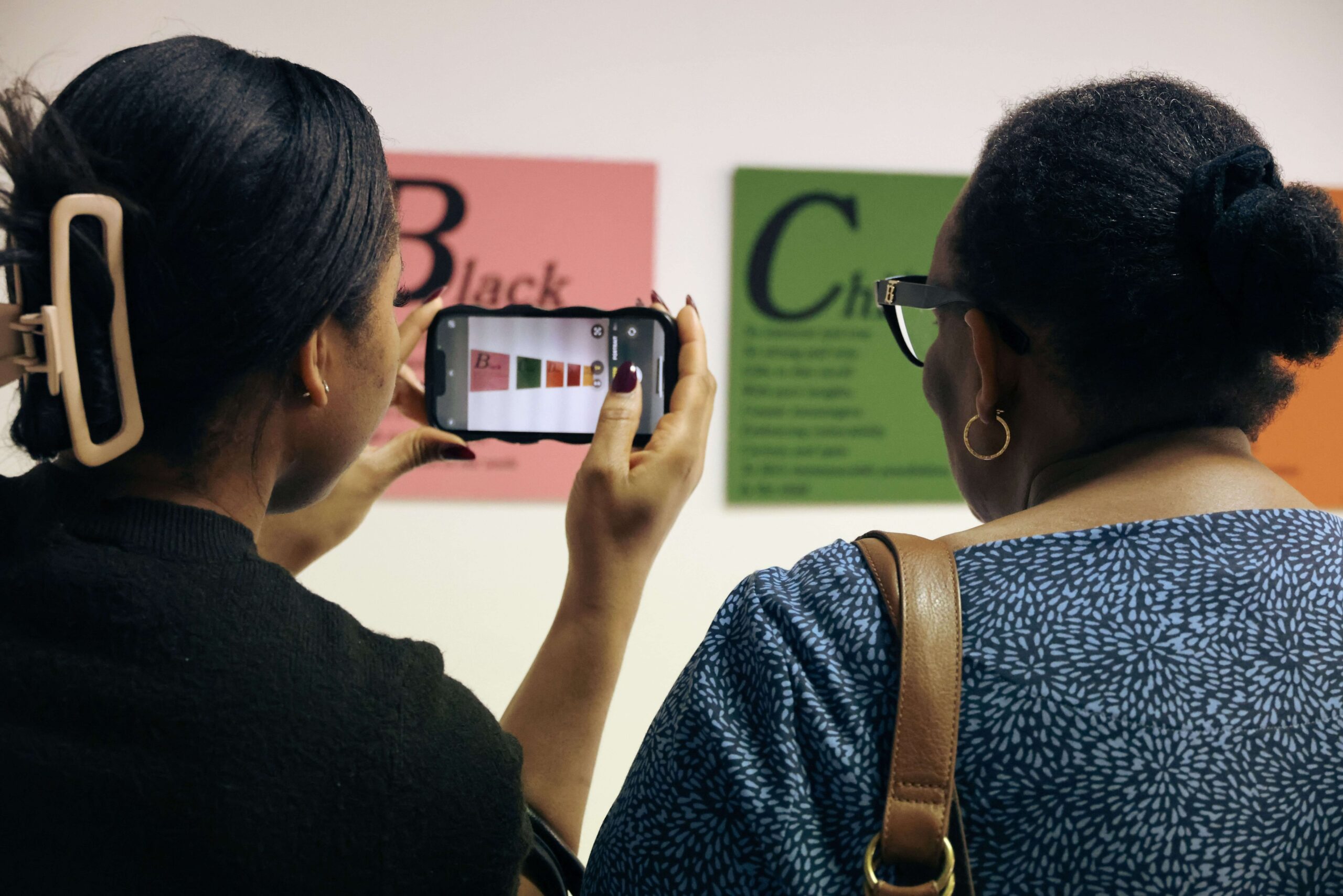
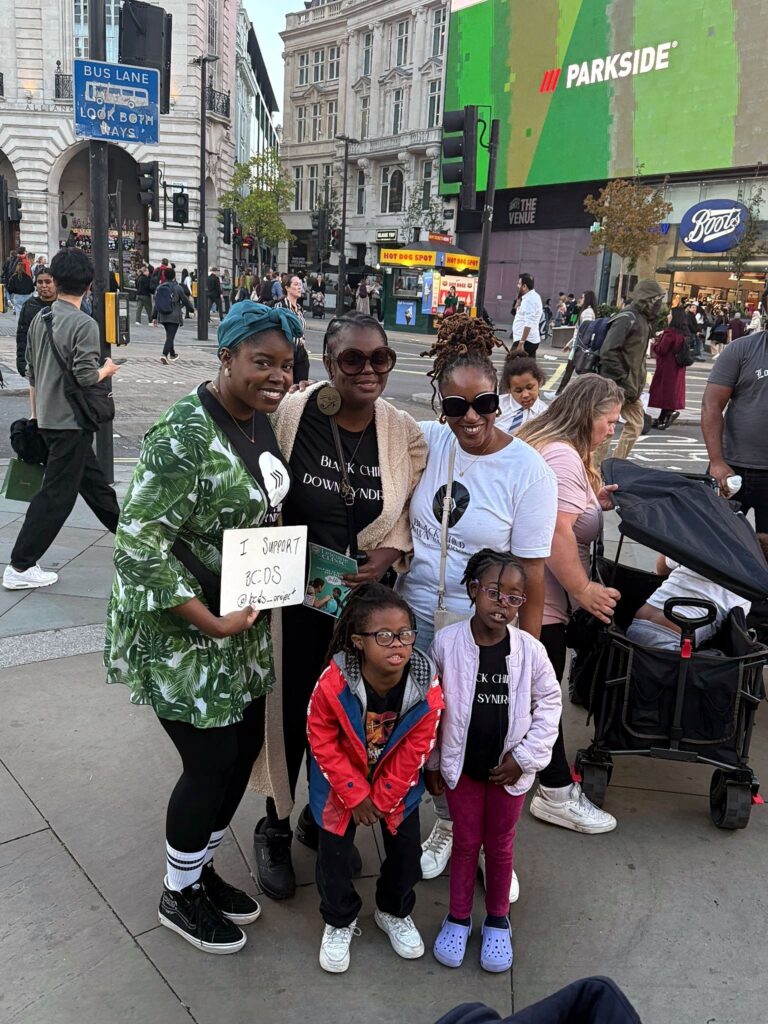
One of the core reasons why the Black Child Down Syndrome Project was created was to identify a safe space where Black individuals with Down syndrome would not only see themselves represented, but also have a safe space where they could feel included.
“Inclusion” has become one of those “buzz words” that we seem to hear everywhere; in schools, hospitals, workplaces, and policy documents. However, too often inclusion is an extra, it’s an add-on or afterthought; describing proximity, not belonging; representation, not voice; or support, not partnership. More often than not, real inclusion becomes a tick box exercise that works towards doing things for people, instead of doing things with them.
Having a lack of inclusion isn’t just uncomfortable; it can also be unsafe. When individuals are not listened to, not believed, are not involved in decision making or feel powerless to speak up, they are more vulnerable to neglect, discrimination and abuse. Think about it, how can a person who isn’t heard actually report harm? When this happens in schools, healthcare and social care settings, exclusion can directly impact a person’s safety. As such, real inclusion means protection.
Inclusion cannot be a unilateral, one-dimensional construct. When we add in the layers that intersection brings, in our case, the layers of being Black with a disability, it is pivotal that people, places and organisations work to get real inclusion right for all. If they do not, all the good intentions without shared power can most definitely still cause harm.
What does inclusion often look like?
Historically, systems have treated Black communities as problems to fix rather than partners to listen to. The same is true for people with disabilities. Decisions get made, and policies are written mostly without lived experience at the table. This leads to the idea that inclusion is about knowing what is best for a person, which breeds control instead of collaboration.
Think about it. How often do people interact with those with disabilities and speak over or around them, instead of to them? Being Black and disabled makes navigating the world doubly difficult. You’re not just excluded once; you’re excluded twice. People who are both Black and disabled face racial bias and ableism as well as assumptions about competence, lowered expectations and being spoken about instead of spoken to. In school, teachers may underestimate. In healthcare, professionals may dismiss your voice. In society, people may treat you as invisible or infantilised.
To have real inclusion, a real mindset shift is required. Questions need to be directed to those who will be impacted most and who you may be trying to help. Consideration for how, in reality, something might need to work, and the decision to build something real and inclusive together. These “small” (please note: these actions may appear small, but they are incredibly impactful and therefore not small in their effect) adjustments help shift the borders of inclusion from “helping” others to “collaborating” with them.
Dignity Is a Great Starting Point
To make a change and an investment in real inclusion, you can begin with the “smallest” (see above for the definition of this word) actions. Things like learning to pronounce someone’s name correctly, speaking directly to them (let’s not forget to give eye contact, people!), not their carer; not assuming that they “don’t understand”; and not finishing sentences for them, as if you know best about what they need.
You also need to understand that micro-aggressions – the subtle comments or behaviours that communicate exclusion or disrespect, even if or when unintended, do exist. These actions, when repeated daily, become exhausting and harmful and can slowly chip away at a person’s self-confidence, safety and belonging.
Making these small (there is that word again) adjustments is huge. It signals that a person matters, they belong, they are seen, and it maintains a person’s dignity in the process, for inclusion without dignity is simply performative.
Moving from Tokenism to Real Inclusion
There are a number of things that both individuals and organisations can do to ensure that being inclusive isn’t just about being tokenistic.
1. Be co-productive and share decision-making power
Both within the general disability space and also in the Down syndrome community, it is important to invite and include Black people with Down syndrome in the planning of policy, advocacy and actions from the beginning and not after everything is already decided. It is important not to be prescriptive but to be genuinely co-productive and consider this in all areas where impact can have an effect on them. Furthermore, there is no point in consulting if no power is given. Giving decision-making power is giving both real influence and real inclusion.
2. Pay people for their expertise
Lived experience is expertise. Include and value the experience of those from the Black Down Syndrome community – take a look around the room and ensure they are included or given a seat(s) at the table. Don’t expect free emotional labour or unpaid advisory roles.
3. Listen more than you speak
Listen to those who are speaking on their own experience, the parents, community groups and the individuals with Down syndrome themselves. Understand that if you’re leading every conversation, you’re not really including.
4. Practice everyday respect and support success
Learn the names of people and how they are pronounced or signed; speak directly to the individual and not around them; be patient with communication styles and avoid infantilising those with a disability that you interact with. Support people to succeed, do not lower the bar or make decisions for them because of who they are.
5. Train staff on race, disability, and micro-aggressions
Often training is a one-off workshop (if there is any at all); but learning is for life. People need reminding in the same way we repeat important training like safeguarding practices, we should be offering regular up-to-date training on race, disability and micro-aggressions.
6. Create safe and measurable feedback spaces
It is essential that those from the Black and disabled community have a safe space to be able to say when something “isn’t working”. This should be conducted without fear, retaliation or repercussion. Questions on the impact go beyond the someone being “allowed into the room”; once there, measures need to be taken to ensure they feel heard, that what they say or do has influence, and they feel safe.
From “inclusion” to real inclusion
Being inclusive requires a shift and growth of mindset. For a Black person with Down syndrome, real inclusion is not “special treatment”; it requires continued fundamental understanding that all people deserve to be seen, respected, involved and feel safe.